








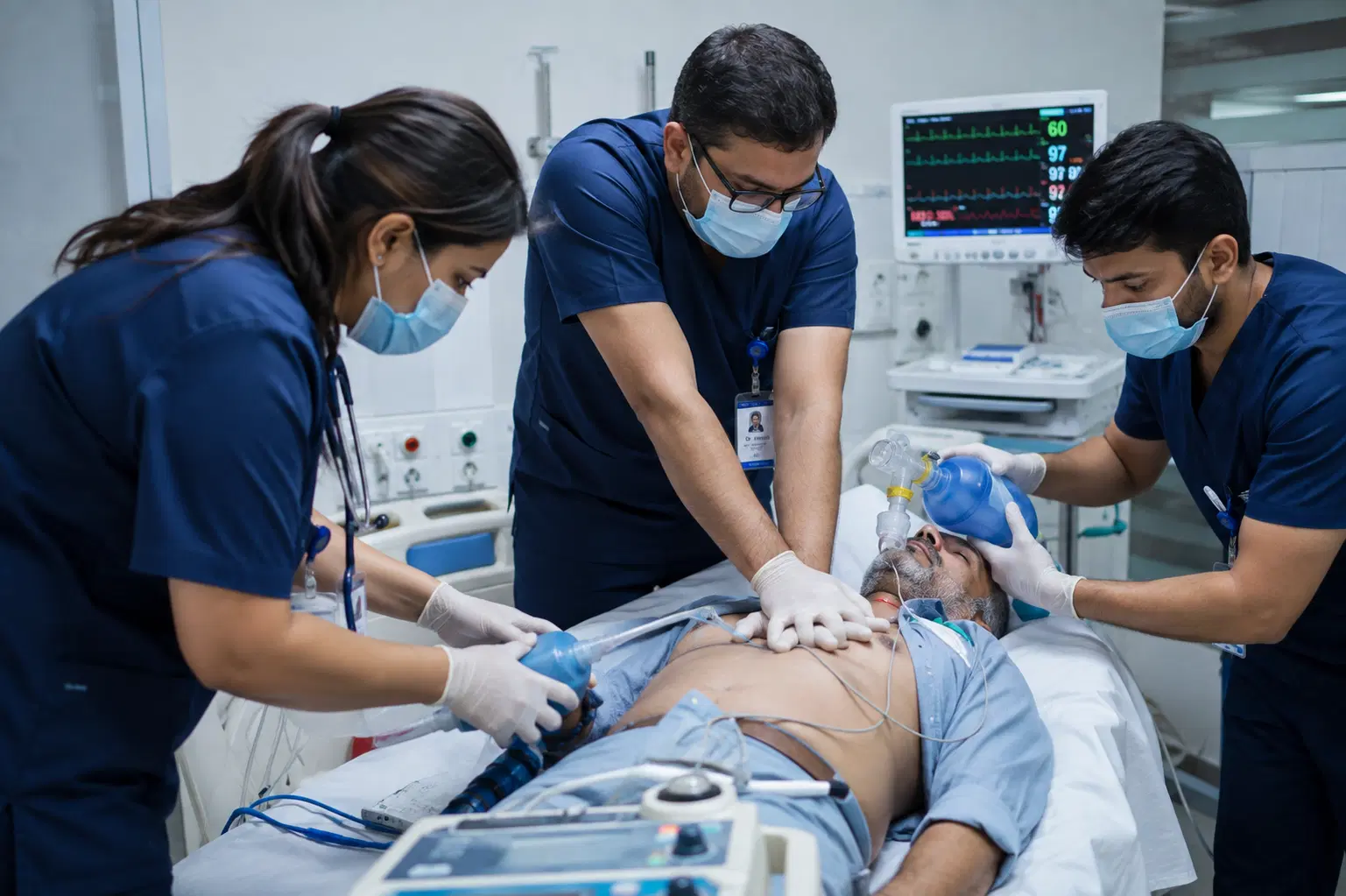
Heart conditions can range from sudden medical emergencies to long-term disorders that gradually affect the heart’s ability to function. Cardiology covers both situations, from urgent treatment during cardiac arrest to ongoing care for patients living with heart failure.
Early recognition, rapid assessment and appropriate treatment can make a significant difference in serious cardiac conditions. A structured approach also helps patients receive the right investigations, treatment and follow-up based on the cause of their symptoms.
Understanding Cardiac Emergencies
A cardiac emergency requires immediate medical attention. Cardiac arrest is one of the most serious emergencies because the heart suddenly stops pumping blood effectively. This causes loss of consciousness and requires immediate resuscitation.
Cardiac arrest is different from a heart attack. A heart attack occurs when blood flow to part of the heart muscle is blocked, while cardiac arrest occurs when the heart’s electrical activity causes it to stop pumping effectively. However, a heart attack can sometimes lead to cardiac arrest.
Rapid CPR and defibrillation, when appropriate, are critical components of cardiac arrest management.
Recognising the Signs of Cardiac Arrest
Cardiac arrest usually occurs suddenly. A person may:
- Collapse without warning
- Become unresponsive
- Stop breathing normally or only gasp
- Have no detectable pulse
Immediate emergency assistance is essential. CPR should be started as soon as possible while an automated external defibrillator (AED), if available, is used according to its instructions.
Specialist emergency services can then continue resuscitation and identify the underlying cause.
Stroke and the Heart
The heart and brain are closely connected through the circulatory system. Certain heart conditions, particularly atrial fibrillation, can increase the risk of blood clots forming inside the heart. A clot may travel to the brain and block blood flow, causing an ischaemic stroke.
Stroke symptoms can include sudden weakness or numbness affecting one side of the body, difficulty speaking, facial weakness, vision changes, severe dizziness or problems with coordination.
A stroke is also a medical emergency. Patients need urgent assessment to determine the type of stroke and whether treatments to restore blood flow are appropriate.
Patients searching for stroke & cardiac arrest treatment in Dubai should seek emergency medical attention when these symptoms occur rather than waiting for them to resolve.
What Is Heart Failure?
Heart failure does not mean that the heart has stopped working. It describes a condition in which the heart cannot pump or fill with blood adequately to meet the body’s needs.
It can develop because of coronary artery disease, previous heart attacks, high blood pressure, heart valve disorders, cardiomyopathy or other conditions affecting the heart muscle.
Heart failure may develop gradually, although some patients can experience a sudden worsening that requires urgent treatment.
Common Symptoms of Heart Failure
Symptoms depend on the severity and type of heart failure. Common signs include:
- Breathlessness during activity or at rest
- Persistent tiredness or reduced exercise tolerance
- Swelling of the ankles, legs or feet
- Rapid weight gain caused by fluid retention
- Difficulty breathing when lying flat
- A persistent cough or wheezing
- A fast or irregular heartbeat
Symptoms may develop slowly, making them easy to attribute to ageing, lack of fitness or other health problems. Persistent or worsening symptoms should be medically assessed.
How Is Heart Failure Diagnosed?
Diagnosis begins with a review of symptoms and medical history, followed by a physical examination. The cardiologist may recommend several investigations to determine how well the heart is functioning and identify the underlying cause.
These may include:
- Electrocardiogram (ECG)
- Echocardiography
- Chest X-ray
- Blood tests
- Exercise testing
- CT or cardiac MRI in selected cases
- Coronary angiography when coronary artery disease is suspected
An echocardiogram is particularly useful because it can show the structure of the heart and provide information about its pumping function.
Heart Failure Treatment
Treatment depends on the type and severity of heart failure and the condition responsible for it. Medication is an important part of treatment for many patients. Several groups of medicines can reduce symptoms, control blood pressure, reduce fluid retention and lower the risk of hospitalisation.
Some patients may require additional treatment, such as:
- Management of coronary artery disease
- Treatment of heart valve disease
- Cardiac resynchronisation therapy
- Pacemaker or defibrillator implantation
- Catheter-based procedures
- Cardiac surgery in selected cases
Patients seeking heart failure treatment in Dubai should undergo a detailed cardiac assessment before treatment is selected. The underlying cause and heart function need to be considered when developing a long-term management plan.
Managing Heart Failure Over Time
Heart failure usually requires ongoing monitoring rather than a single course of treatment. Regular appointments allow the cardiology team to assess symptoms, review medication and monitor heart function.
Patients may also be advised to monitor their weight and report sudden changes, particularly when these occur alongside increasing breathlessness or swelling.
Lifestyle measures can support medical treatment. Depending on the individual’s condition, these may include maintaining an appropriate level of physical activity, following dietary recommendations, avoiding tobacco and controlling conditions such as diabetes and high blood pressure.
When Emergency Cardiac Care Is Needed
Certain symptoms should never be ignored. Seek emergency medical attention for sudden chest pain or pressure, severe breathlessness, collapse, loss of consciousness or symptoms suggesting a stroke.
For stroke, remember the main warning signs: sudden facial weakness, arm weakness or speech difficulty. Immediate treatment is important because some stroke therapies are time-dependent.
Patients with known heart failure should also seek urgent care if they develop severe breathlessness, fainting, chest pain or a sudden deterioration in their symptoms.
Coordinated Cardiac Care
Managing complex cardiovascular conditions may require more than one specialist. Cardiologists may work alongside cardiac surgeons, emergency physicians, neurologists, radiologists, nurses and rehabilitation professionals depending on the patient’s condition.
This coordinated approach is particularly important when a cardiac problem has resulted in complications such as stroke, reduced heart function or a serious rhythm disturbance.
At Aster Hospitals, cardiac assessment and treatment are supported by specialist consultations, diagnostic investigations and follow-up care based on individual clinical requirements.
Supporting Long-Term Cardiovascular Health
Many conditions associated with heart failure and cardiac emergencies are linked to cardiovascular risk factors. Managing blood pressure, cholesterol and blood glucose can help reduce cardiovascular risk.
Regular physical activity, a balanced diet, maintaining a healthy weight and avoiding tobacco are also important aspects of heart health.
Patients with an existing heart condition should follow their cardiologist’s recommendations and attend scheduled reviews, even when symptoms are well controlled.
Explore Now: Muhaisnah Medical Center: Location, Services, Medical Fitness, Timings and Complete Guide
Frequently Asked Questions
Is cardiac arrest the same as a heart attack?
No. A heart attack occurs when blood supply to part of the heart muscle is blocked. Cardiac arrest occurs when the heart suddenly stops pumping blood effectively. A heart attack can sometimes cause cardiac arrest.
Can heart failure be treated?
Yes. Although many forms of heart failure are long-term conditions, treatment can control symptoms, improve heart function in some patients and reduce the risk of complications. Treatment depends on the underlying cause and severity.
Can atrial fibrillation increase stroke risk?
Yes. Atrial fibrillation can allow blood to pool in the heart, increasing the possibility of clot formation. Some patients may therefore require medication to reduce the risk of stroke.
When should heart failure symptoms be treated as an emergency?
Severe or sudden breathlessness, chest pain, fainting, confusion or a rapid worsening of symptoms requires urgent medical assessment.