


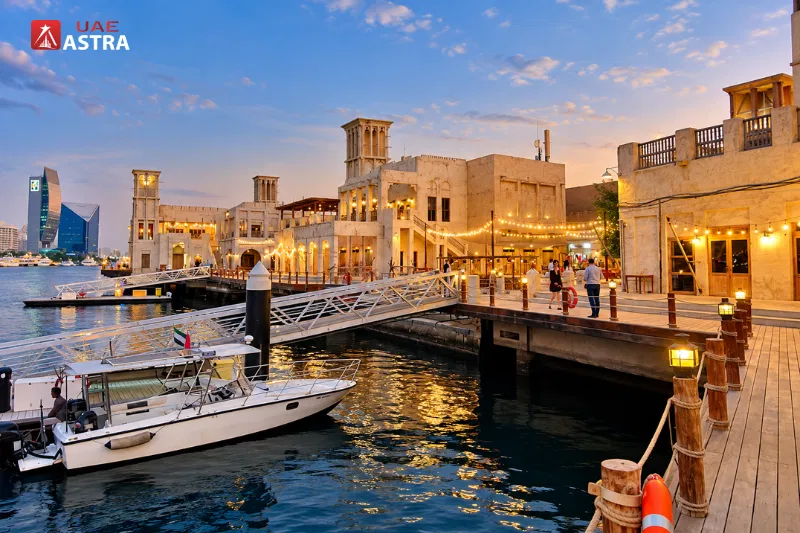
Al Seef Street is a prominent road in Bur Dubai that leads to the Al Seef waterfront destination on the banks of Dubai Creek. The address is commonly associated with the wider Al Seef district, a 1.8-kilometre waterfront development that combines heritage-style streets, restaurants, shops, hotels, a marina and direct access to the creek.
The street is also convenient, as Al Seef sits next to the Al Fahidi Historical Neighbourhood. It connects Dubai Creek and the waterfront development to one of Dubai’s historic areas.
Al Seef Street Location
Al Seef Street is located in Bur Dubai, Dubai Creek Side, Visit Dubai, stating the address of the destination as Al Seef Street opposite the USA Embassy. The broader Al Seef development extends along the Bur Dubai side of Dubai Creek and is adjacent to Al Fahidi Historical Neighbourhood.
The road is also identified as Al Seef Street/D84 in route information published for the area. D84 is accordingly a convenient road reference for the waterfront for those using a navigation route.
Al Seef and Al Fahidi
Note that Al Seef Street is not the same as Al Fahidi. Al Seef is located on the edge of the creeks and Al Fahidi Historical Neighbourhood is the historic quarter adjacent. The two areas are directly linked together and people tend to visit both on the same trip.
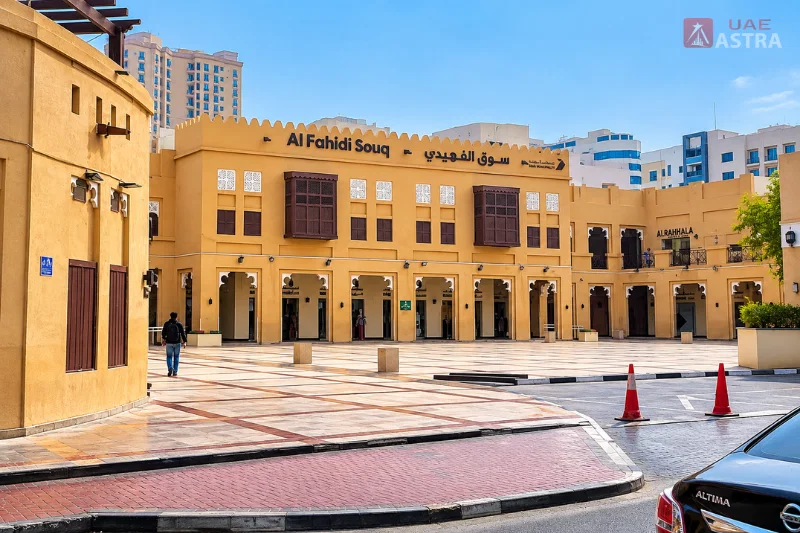
One of the defining characteristics of this area is this connection. Heritage-inspired architecture, wind-tower forms and narrow lanes characterize the Old Dubai as seen in Al Seef, while the nearby Al Fahidi district features restored historic buildings, cultural spaces and galleries.
What Al Seef Street Leads To
The road is not only a typical city street, but it also gives access to the much larger Al Seef waterfront. Al Seef stretches for 1.8 kilometres along Dubai Creek and features distinct zones for shopping, eating, living, amusement and marina activities.
The development as a whole exemplifies two architectural styles. It preserves its heritage section by using sand-coloured buildings, traditional wind towers and narrow sikkas, while the other parts use modern waterfront architecture. This blend is a core component of the destination Al Seef’s identity.
Al Seef Waterfront
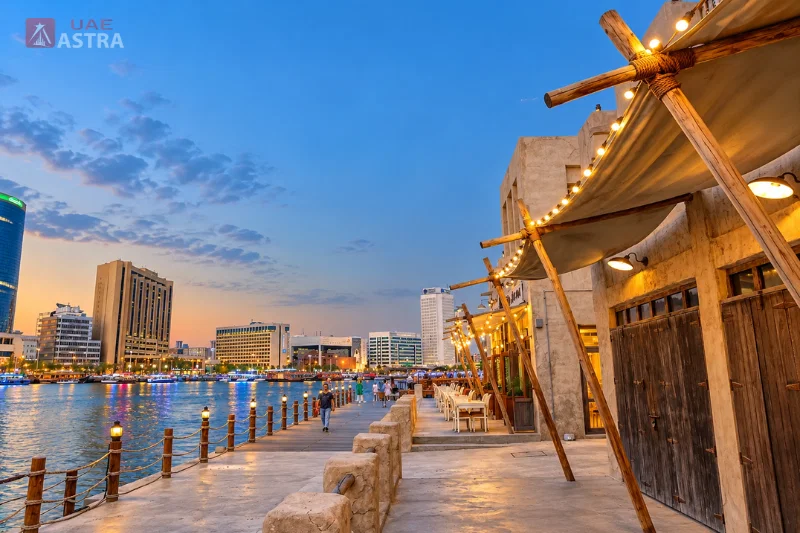
The main attraction of the street is the waterfront, which brings to mind leisure instead of normal street activity. The promenade is close to Dubai Creek, while restaurants, cafés, shops and artisan outlets are located in the pedestrian areas of the promenade.
The creek also provides Al Seef with a realistic sea-transport link. The Al Seef Marine Station is also part of the Dubai Creek network provided by the RTA, which enables visitors to avail of abra and other marine facilities apart from road transportation.
Shopping and Heritage Areas
Al Seef is not a typical enclosed shopping center – it is the character of the destination that is in focus. The part of the heritage area features lanes and shops that are more souk in character, offering handicrafts, textiles, mementos, perfumes and other items related to the traditional atmosphere of the area.
Architecture has become an integral element in the shopping environment. Narrow souks and courtyards and sand-coloured façades form a different setting than the big modern shopping centres of Dubai; modern retail space is also available within the overall setting.
Souk Al Seef
The truly historic section of the development is called Souk Al Seef. Visit Dubai says its lanes are recreating some of the features of Old Dubai, while the official Dubai tourist board pushes Al Seef as a “heritage and modern retail destination.”
It is the area that most closely relates to the historic character of Al Seef Street for a person who is specifically looking for traditional surroundings.
Dining Along Al Seef
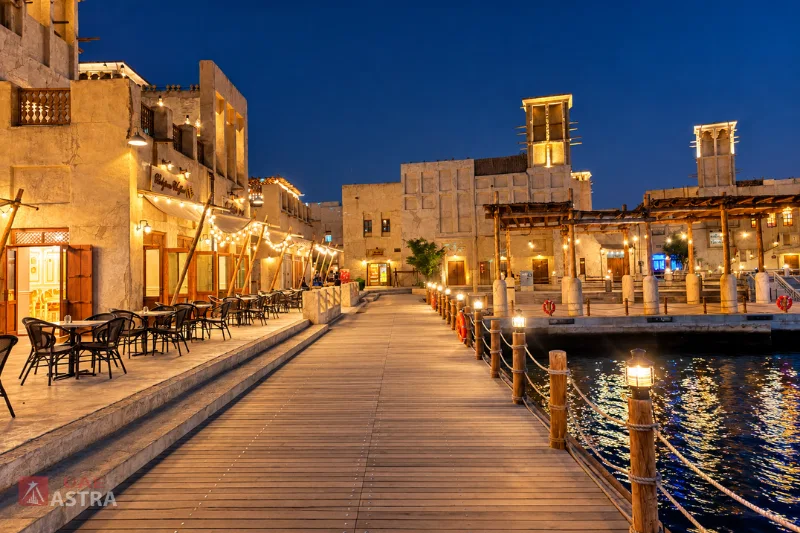
The Al Seef destination has one of the most important functions related to food. The official Al Seef website talks about a fusion of Arabic, American, Indian and Emirati cuisine and Visit Dubai has singled out creekside restaurants and cafes in a line along the promenade.
Many places look towards Dubai Creek and the setting plays a key role in the dining experience. The restaurant directory for the destination also features a wide selection of restaurant ideas and not just those that are French or low-cost.
Creekside Dining
Waterfront restaurants enable visitors to have a meal with views of the creek, traditional boats and more. The district offers a variety of cuisines and dishes, with Dubai specifically promoting Al Fanar Restaurant & Café as a place to enjoy Emirati cuisine and Wokyo Noodle Bar for Japanese noodles.
Individual restaurants have different schedules and may not have the same menu; check individual establishments instead of assuming they have the same.
Hotels on Al Seef Street
There is a waterfront development with accommodation in Al Seef as well. Among its hotels are the Al Seef Heritage Hotel Dubai, Canopy by Hilton Dubai Al Seef and Hampton by Hilton Dubai Al Seef.
There are several different types of properties found within the same destination and that’s what the three properties provide. The heritage hotel is part of traditional buildings & courtyards, while Canopy & Hampton are more of a contemporary hotel setting.
This renders the street not just a day destination but also an overnight destination for the travellers who stay right next to Dubai Creek.
Transport to Al Seef Street
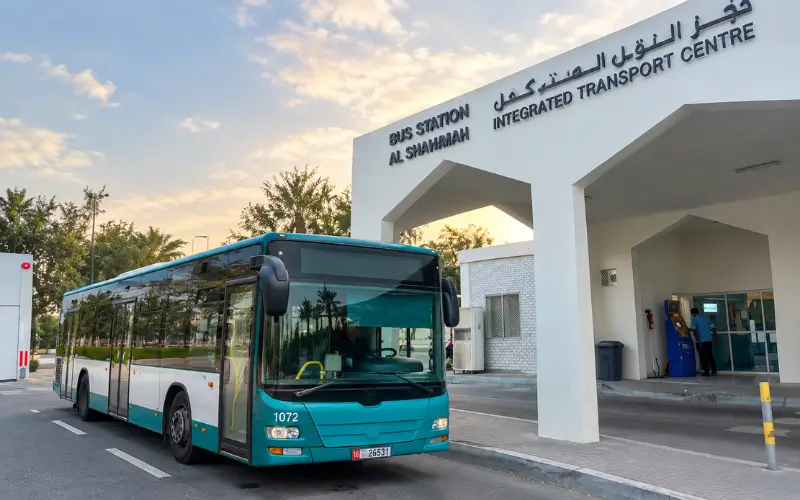
Getting to Al Seef is easy by Dubai Metro, buses and marine transport. Currently, Visit Dubai lists BurJuman and Sharaf DG as nearby metro stations and the area is about a 15-minute walk from each of those stations.
Visit Dubai also includes bus routes running in the area and RTA’s marine network offers a direct alternative to the creekside via Al Seef Marine Station. The exact public-transport timetable should be obtained from RTA as it will change.
By Metro
Visit Dubai states that BurJuman and Sharaf DG are the main stations in the metro network that locals use when travelling to Al Seef. The walk from the station is significant since Al Seef is a waterfront location and not a metro-station complex.
According to the latest Dubai information places, Dubai is about a 15-minute walk from BurJuman or Sharaf DG. Another Visit Dubai page states that an Al Seef walk to BurJuman is approximately 10 minutes, depending on which area of Al Seef you are taking the walk in.
By Abra
Al Seef Marine Station is available to access RTA’s traditional abra network. The current RTA timetable lists CR6 between Al Seef Marine Station and Baniyas Marine Station, while the CR7 Al Seef–Al Fahidi–Dubai Old Souq route is currently listed as temporarily on hold.
The RTA has the CR6 fare listed at AED 2. Schedules may also vary on the day of Ramadan and public holidays, so please use the RTA timetable throughout.
By Car
Visiting Dubai’s route information takes drivers from Sheikh Zayed Road/E11 to Zaa’beel Street/D84 before to Al Seef Street. That’s why it’s a good reference that D84 is an important road when travelling towards the destination in a car.
Entering the name of a hotel, restaurant, or attraction is more specific than just the street name, since Al Seef has several sections and individual attractions.
Parking at Al Seef
One of the benefits of the broader Al Seef development is the parking provision. The official Al Seef visitor page lists the number of parking spaces as over 3000.
Valet parking is also available. The official published rates are AED 20 for the first two hours and AED 15 for each additional hour for standard valet, while VIP valet is listed at AED 105 for three hours and AED 25 for each additional hour.
| Service | Published information |
|---|---|
| Al Seef length | 1.8 km |
| Parking | 3,000+ spaces |
| Standard valet | AED 20 / 2 hours |
| Additional standard valet | AED 15 / hour |
| VIP valet | AED 105 / 3 hours |
| CR6 abra | AED 2 per trip |
The parking numbers and the fee for valeting above are from the official visitor information provided by Al Seef and the CR6 fee provided by RTA. However, operational charges will still be reviewed prior to travel, as information may change.
Al Seef Opening Hours
Not all retail and food and beverage establishments are open at the same time in the destination, so there are separate hours for each.
Retail: Monday to Thursday, 10:00 am–10:00 pm; Friday to Sunday, 10:00 am–11:00 pm.
Food and beverage: Monday to Thursday, 10:00 am–11:00 pm; Friday to Sunday, 10:00 am–12:00 am.
These are the published times for the destinations. The restaurant, shop, hotel service, or attraction may have its own schedule and is more applicable if the user visits for a particular service.
Al Seef Marine Station
Al Seef Marine Station is significant as it links the waterfront destination and the marine transport system in the Dubai Creek. Currently, RTA’s marine timetable includes CR6 Al Seef–Baniyas, CR7 Al Seef–Al Fahidi–Dubai Old Souq and TR10 electric abra round-trip.
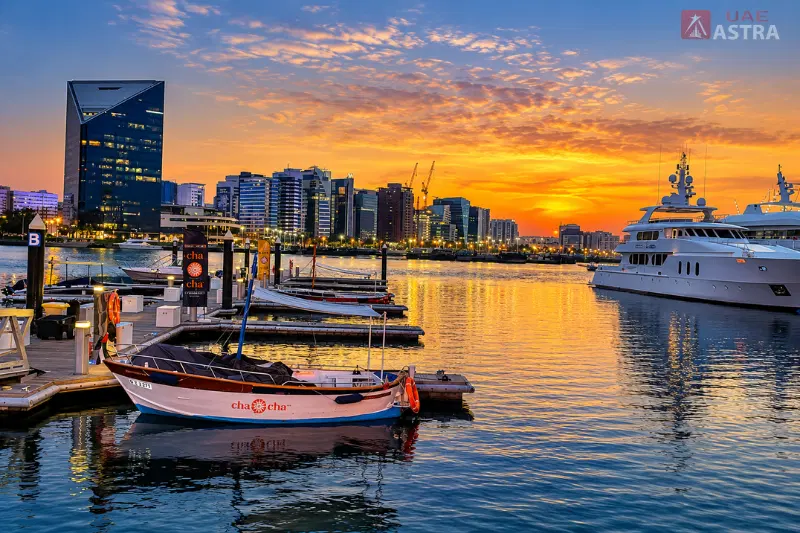
Currently, RTA claims that CR7 is temporarily suspended and CR6 is still a regular creek abra service. TR10 electric abra is a private tour service that will cost based on the length of the boat’s tour as opposed to each stop.
This is helpful as older papers on Al Seef might display routes that no longer run as described.
Al Seef Marina
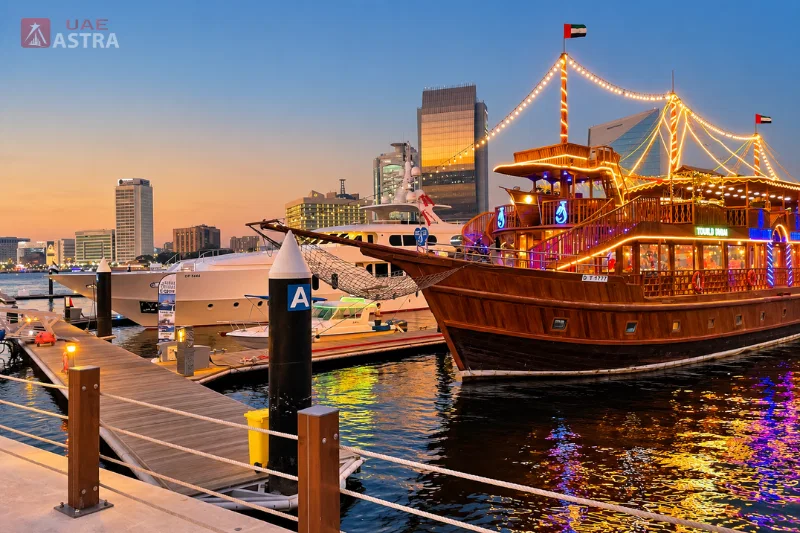
There is also a marina for the waterfront at the destination. Al Seef’s official attraction information states that the marina is suitable for private yachts and the visitor information provides a list of amenities, services and facilities, including a Marina Booking Counter and Bateaux Dubai dining cruises.
The marina has a different purpose from Al Seef Marine Station, which is reserved for public marine transport, as the marina is linked to yacht and leisure activities being integrated into the development.
Al Seef Street and Dubai Creek
Dubai Creek plays a key role in the identity of Al Seef Street. The development was designed right to the water’s edge along the creek and runs along the entire waterfront for 1.8 kilometres.
The creek also has significance as Al Seef is a place of connection between various parts of Old Dubai. The waterfront also allows visitors to extend their stay along the Creek to Al Fahidi, board a marine taxi, or stay and enjoy the restaurants, shops and heritage lanes within Al Seef.
Al Seef Street vs Al Seef
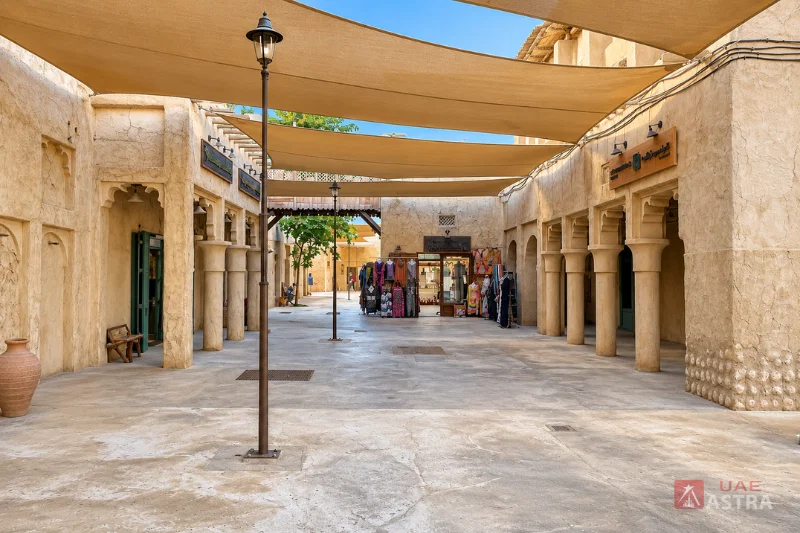
Though the two names are closely related, they are not the same.
The street address (or road) that will be the destination is called Al Seef Street and the overall development of the waterfront area is called Al Seef. The combination of the street name and the destination is common because the street name is frequently used to identify the destination in search results, venue addresses and tourism listings.
The difference is most significant if you’re navigating to a specific business. A more specific search for the exact venue name will provide a more accurate entrance or location within the long, waterfront development.
Best Way to Explore the Area
Al Seef is the most suitable area for walking as the only means of access to the destination. The promenade, heritage lanes, retail spaces and the creekside restaurants are all part of the same development and direct links with Al Fahidi enable the visitor to go beyond Al Seef.
The best way is to come in from the metro side, cross through Al Seef waterfront, heritage areas and then head towards Al Fahidi Historical Neighbourhood. The RTA marine station offers another way to cross Dubai Creek if you’d like to make the trip that far.
What Makes Al Seef Street Different
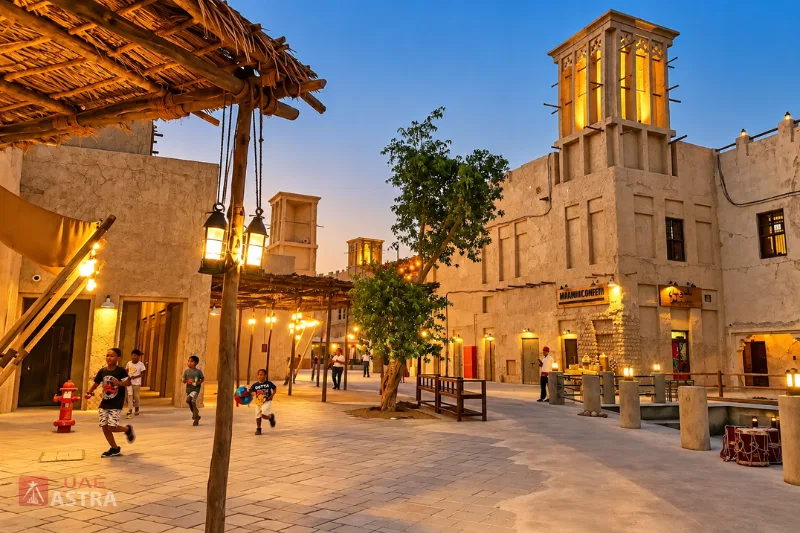
The primary difference is the blend of road access, waterfront recreation, historical buildings and shipping in a single place. Al Seef isn’t just a shopping street or a historic road – it’s a huge destination around the creek, with the street as an access to a number of experiences.
It’s also a key connection to Al Fahidi. Visitors will be able to traverse from the modern sections of the waterfront to heritage lanes and then on to the historic neighbourhood, thus forming a seamless stretch through one of Dubai’s more historic waterfront locations.
Final Takeaway
Al Seef Street is the street in the Al Seef waterfront area in Bur Dubai, directly opposite Dubai Creek and close to Al Fahidi Historical Neighbourhood. The broader destination extends 1.8 kilometres and includes restaurants, retail, hotels, heritage-style lanes, a marina and RTA marine transport.
The key points for practical purposes are the difference between the street and the wider Al Seef destination, the close proximity of BurJuman metro station, Sharaf DG metro station, Al Seef Marine Station and the over 3,000 parking spaces. Do not use a general street listing; for a particular visit, use the name of the venue checked for the most up-to-date operating or transport information.
You may also like to visit:
Dubai Old Village: History, Heritage, Location, Attractions & Visitor Information
Gold Souks Dubai: Inside the World-Famous Gold Jewellery Market
FAQ’s
What is Al Seef Street in Dubai?
Al Seef Street is the road opposite Dubai Creek in Al Seef Waterfront, Dubai Bur Dubai.
Where is Al Seef Street located?
According to Visit Dubai’s destination listing, it is located in Bur Dubai, Dubai Creek side, in front of the USA Embassy.
Is Al Seef Street the same as Al Seef?
The road is called No. Al Seef Street and the wider waterfront development are called Al Seef 1.8-kilometre, which is 1.8 kilometres of waterfront.
Which metro station is near Al Seef?
Visit Dubai has identified the nearby metro stations as BurJuman and Sharaf DG.
Does Al Seef have parking?
Yes. As per the official Al Seef Website, there are over 3000 parking spots.
Is there an abra station at Al Seef?
Yes. Al Seef Marine Station is part of the RTA marine transport network.
How much is the Al Seef–Baniyas abra?
To find the current RTA fare for CR6, visit the RTA website.
Is Al Fahidi close to Al Seef?
Yes. Al Seef is directly connected to Al Fahidi Historical Neighbourhood and the two areas are easily accessible in one trip.