







You’ve spotted the three letters; where else? In sponsored content on YouTube, pre-roll ads before podcasts, and sitting at lunch with a colleague who mentions it. As a virtual private network, or VPN, it’s one of the most recommended pieces of software around, and often touted as a cure-all for online safety.
Is the hype justified? Partly. Behind the marketing sits useful, well-established technology that solves a specific set of problems very well, as long as you pick the right provider. This guide explains what a VPN actually does, what it doesn’t do, who benefits most, and how to choose one sensibly.
What a VPN is, without the jargon
A VPN does one clever thing: It puts the front door of your Internet connection somewhere else.
Your usual traffic flows from your device to your internet provider and then out onto the internet. The network that you are connected to will be able to see which sites you visited and when. That trail is known as metadata. Even on an encrypted site, there’s plenty of metadata that reveals quite a bit: the services you use, hours you spend online, and the most-visited domains.
A VPN establishes a secure “tunnel” between your device and a VPN server operated by the VPN service. Your traffic goes in at the end of your device and cannot be seen by any café Wi-Fi or hotel network around you, and exits the other end of the tunnel. Then the VPN server’s address is displayed on the website, rather than your own. The local network will be able to tell you you are using a VPN, but not what you are doing via it.
With modern apps, it is easy. The established providers can be reached with one tap; a fast server will be automatically selected and will run in the background without noise on phones, laptops, and tablets.
Where a VPN genuinely helps
The usefulness of a VPN is determined by the practices of the user. It makes a difference in these scenarios.
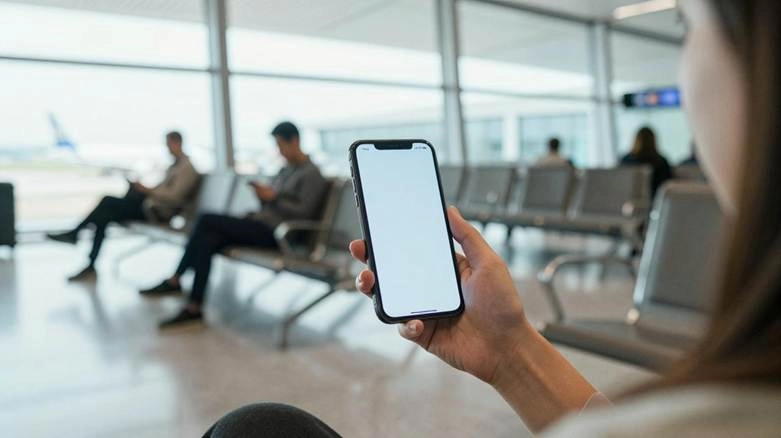
Working and banking on public Wi-Fi. Hotels and shopping malls, as well as the rest of the airport, provide free Wi-Fi, and unprotected hotspots are a common location for attackers to observe traffic on the same network. A VPN will encrypt what goes out of your gadget, lowering that danger by a significant margin. The most benefited are frequent travellers and remote workers.
Keeping your browsing to yourself. Without the use of a VPN, you could be subject to monitoring from the networks you use to connect to. But with one, that’s the VPN provider’s point of view, and that’s why it’s important to have one that promises, and even guarantees, to never log your activity, preferably under independent audit.
Reducing ad tracking. Your IP address can be used to discover where you are and to connect your actions across the web. A new change where it was replaced by a shared VPN server address makes it harder. You can see the value if you ever encountered the same ad popping up for a week.
Keeping business research private. Having a VPN will prevent visits to a market, supplier, or competitor from being associated with your company’s network when you are conducting research.
Protecting family devices. No, children’s tablets and older family members’ phones are not on separate public networks. The automatic connection of these devices to the VPN provides protection without requiring them to remember any additional step.
What a VPN won’t do
A good guide must also know and adhere to the limits, as overselling is prevalent in this trade.
A VPN is NOT an anti-virus application. Will not prevent you from downloading an infected file, clicking on a phishing link or installing a harmful browser extension. Those threats do not reside on the network; they reside on your device and in your inbox.
A VPN doesn’t make you anonymous. It moves trust away from your network towards the VPN service provider, and is made more difficult to profile, but true online anonymity requires far more than a tunnel.
How to choose a provider without getting burned
The VPN market is dense and there are many review sites that are paid to showcase the types of the top VPNs first. Don’t pay attention to the badges and focus on the basics:
An audited no-logs policy. A promise not to record your activity doesn’t mean much on its own. Check for an independent audit, in full.
Open-source apps. If the code of the app is public, a trusted third party can review what the app collects and how it functions.
A company you can look up. Ownership, where it is registered, and how it generates revenue? Providers that have leadership, transparency reports posted on their websites, and a long history of operation are more likely to deliver safe products. Numerous “free” applications that have no apparent business model have been exposed for profiting from the data their users are trying to secure.
Modern encryption and protocols. Check for robust, strong encryption and WireGuard, a new, quick protocol. Any provider offering only PPTP is not to be used.
A free plan or trial. Trustworthy companies let you try before you pay. A working free plan with clearly stated limits is a good sign; “lifetime free unlimited” from an unknown developer is not. The EFF’s Surveillance Self-Defense guide has a clear, independent explanation of how to judge whether a VPN is right for you.
Make it a habit
The best way to stay private isn’t necessarily a specific app; it’s the habit. Do not connect before putting your computer in a hotel lobby. Turn on auto-connect for untrusted networks. Staying up to date with the app, along with the other essentials: different passwords, two–factor authentication and regular system updates.
A VPN is the easiest one thing in that routine: One tap, one tunnel, and the network around you ceases to be a concern. Select a provider that you can check, turn on, and automate.
Explore Also: How to Get 53 GB Data in Etisalat UAE