







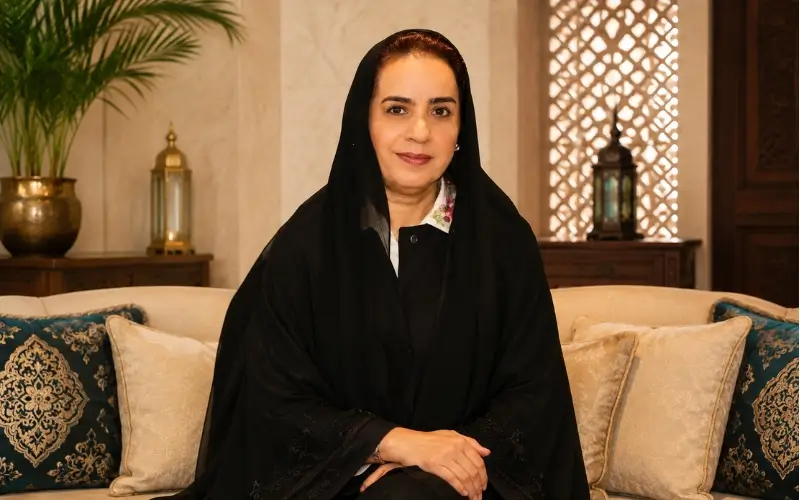
Inspiring personalities have shaped the history of the United Arab Emirates and helped to preserve its culture and traditions. Ousha al Suwaidi, among others, is remembered as one the greatest Emirati poets. She transformed Nabati Poetry into a respected literary form and became a symbol for creativity, wisdom and national pride. Her poems have continued to inspire readers in the UAE and across the Arab world even years after she passed away.
Ousha Al-Suwaidi, also known as Fatat Al Arab (meaning “Girl from the Arabs”), was admired for her command of the language and ability to convey deep emotions in simple but meaningful verses. Her poetry was a reflection of love, faith in God, nature, identity and Arabian traditions. She was an inspiration to women poets and those who wanted to make a contribution to culture and literature.
Quick Facts About Ousha Al Suwaidi
| You can find out more about this by clicking here. | Details |
| Full Name | Ousha bint Khalifa Al Suwaidi |
| Popular Name | Ousha Al Suwaidi |
| Honorary Title | Fatat Al Arab is the girl of Arabs |
| Birth | Al Ain, UAE, 1920 |
| Death | 2018 |
| Nationality | Emirati |
| Profession | Poet |
| Literary Field | Nabati Poetry |
| The Language of the Speaker | Arabic |
| Famous for | Nabati poetry: preserving and promoting it |
Her achievements are now recognized by cultural institutions, literary prizes, educational programs and international recognition. Google will celebrate her life in 2022 with a special Doodle. This Doodle will introduce millions of people to one of UAE’s most respected writers.
Who Was Ousha Al Suwaidi?
Ousha al Suwaidi is one of the most influential Emirati writers of the 20th century. She was widely respected for her contribution to Nabati Poetry, a traditional Arabic form written in the spoken dialects of the Arabian Peninsula. She created verses which captured the emotions and values of Emirati culture at a time when poetry was mostly passed down orally.
Her poetry was highly regarded because it reached out to the common people, while still maintaining a high standard of literature. She used simple language to express universal emotions such as hope, love, faith, loyalty, and patience. Her poems became popular in literary events, family gatherings and cultural celebrations across the Gulf.
Ousha al Suwaidi is a cultural ambassador of the UAE. She has achieved literary success, but she also became a cultural icon. She showed that poetry can preserve history, strengthen nation identity, and link generations through language.
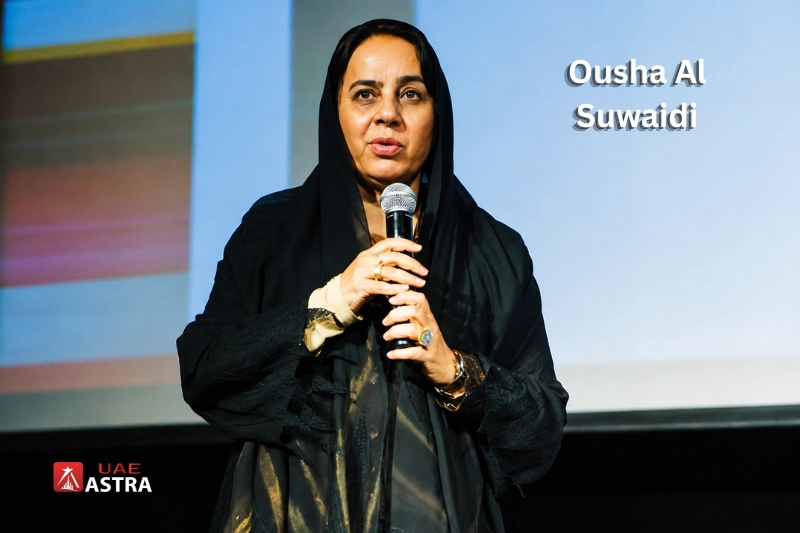
Early Childhood and Life in the Early Years
Ousha Al-Suwaidi was a born in Al Ain, in 1920. At that time the United Arab Emirates were not yet a nation. The Bedouin tradition was a major part of life at the time, and poetry was a vital tool for preserving family stories, cultural values, and history.
She developed an early love of words, growing up in a literary family. Her father introduced her to Arabic Literature, which helped her develop a solid foundation in poetry and language. Her childhood was filled with listening to storytellers and poets, which helped her understand the rhythm and rhyme of Arabic.
Her family then moved to Dubai. In the city’s vibrant cultural scene, she met scholars, merchants and poets of renown from all over the Arabian Peninsula. These experiences widened her knowledge and stoked her passion for literary works.
She discovered her talent
Ousha al Suwaidi, unlike many other writers who have spent years honing their craft, showed impressive poetic talent when she was very young. She had a remarkable memory and was able to recall verses from famous poets. She was able to grasp poetic structures faster than other people her age because of this natural talent.
She had begun writing original poetry by the time she was a teenager. Her work was immediately noticed because it blended traditional Nabati style with powerful emotions and imagery. Her readers admired her elegance and sincerity.
Her reputation grew and respected poets began to recognize her extraordinary ability. As her reputation grew, respected poets recognized her exceptional ability.
Understanding Nabati Poetry
It is important to know what Nabati literature represents in order to appreciate Ousha Al-Suwaidi.
Nabati is a style of Arabic poetry that uses the dialects spoken in the Arabian Peninsula, instead of classical Arabic. Bedouins have used this style of poetry for centuries to preserve cultural traditions, record historical events and celebrate victories. It was a part of daily life as it reflected what people spoke.
Nabati poetry is a different kind of poetry. Unlike traditional Arabic poetry which follows strict rules in terms of style and rhythm, Nabati poetry focuses on communicating ideas with clarity while maintaining beauty. It was therefore accessible to all, regardless of their education or background.
Nabati poetry has several characteristics.
- Written in Arabic dialects.
- Desert life is described in detail.
- Strong emotional expression
- Music suitable for public recitation.
- Themes such as honor, hospitality and faith are also included.
- Deep connection to Emirati heritage and Gulf heritage
Ousha al Suwaidi’s extraordinary work proved that Nabati literature deserved the respect of classical Arabic literature. Her poetry helped to introduce this literary tradition and inspire greater appreciation of Emirati culture.
Ousha Al-Suwaidi’s Literary Style
Ousha al Suwaidi’s unique literary style is one of the reasons she remains so admired. She remained true to traditional poetic structures, while adding new emotional depths and vivid imagery. Her poems combine beautiful descriptions of nature and reflections on the human experience, making them meaningful to readers of all generations.
Nature is a constant theme in her work. Palm trees, mountains, stars, rain, deserts and seas are not just part of the landscape, but they also become symbols of strength, hope, memory and belonging. These images of nature helped readers to connect with her poetry, while also reflecting the Arabian Peninsula’s environment.
Her writing also excelled in its balance. Her writing was balanced, embracing both Emirati tradition and the social changes that were taking place in her environment. Her poetry was still relevant at a time when the UAE was becoming a modern nation.
Themes that she explores in her poetry
Ousha Al-Suwaidi’s success was not solely a result of her technical skills. The universal themes that were present in her work resonated with readers.
Her poetry often explores:
- Love of family and homeland
- Faith and spiritual reflection
- Patriotism, national identity and nationalism
- Wisdom is gained from experience.
- Nature is a symbol for hope and endurance.
- Respect for tradition and cultural heritage
Her poetry continues to be relevant for readers of all ages and cultures because it is based on timeless themes.
National Recognition of the Title Fatat Al Arab
Ousha al Suwaidi became one of the most respected voices of Arabic poetry as her popularity grew in the Gulf region. She recited her poems at literary events, cultural celebrations and public gatherings where the audience admired both her creativity and command over language. She was praised by many leading poets for her ability to combine traditional Nabati poems with meaningful messages that appealed readers of all ages.
She was called Fatat Al Khaleej for many years. Her influence, however, extended far beyond Gulf countries. Sheikh Mohammed Bin Rashid Al Maktoum awarded her the title Fatat Al Arab in 1989. This title acknowledged her exceptional contribution to Arabic Literature and confirmed her place as one of greatest poets in Arab World.
This title represented more than just a personal accomplishment. This title reflected her dedication over decades to the preservation of Arabic, poetry and Emirati Culture. The title is still closely associated with her name today and is part of the reason she is remembered so fondly.
Emirati poetry changed by literary contributions
Ousha al Suwaidi’s contribution went far beyond beautiful poetry. She was instrumental in maintaining the UAE’s literary tradition during a time of rapid economic and social change. Her poetry saved many of the traditional customs from being lost as the country modernized.
Her work showed that Nabati Poetry was more than just a form for entertainment. It was a cultural document that recorded daily life, Emirati values, beliefs and traditions. Her verses helped future generations better understand the heritage of Arabian Peninsula.
Her success also inspired young poets to continue writing poetry. Her success showed that talent and dedication can overcome social barriers and encourage more women to take part in literature and culture. Her influence led to greater recognition of Nabati Poetry both within and outside of the UAE.
Awards and Recognition
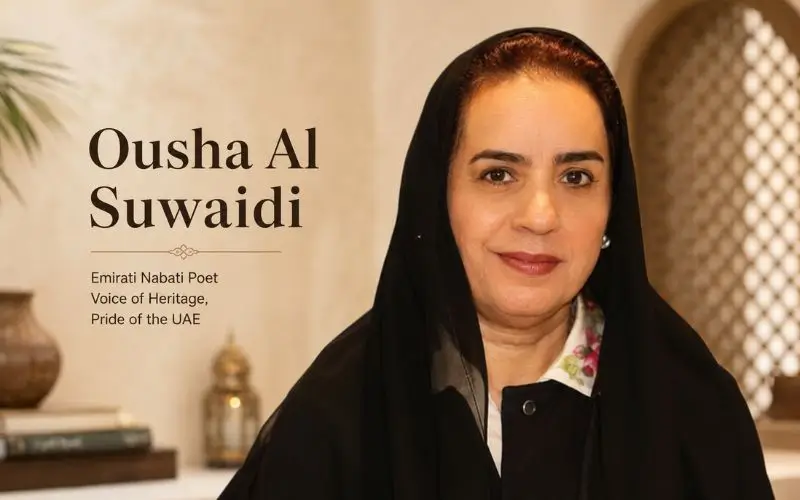
Ousha al Suwaidi was awarded several prestigious awards for her contributions to Emirati literature and culture. These awards reflect the impact and respect that she has earned in the Arab World.
Her most notable awards include:
- Title of Fatat Al Arab, awarded in 1989.
- Abu Dhabi Award for contribution to Emirati Heritage
- The UAE’s leading literary and culture institutions have recognized the work of our writers.
- Celebrate her achievements at Women’s Museum, Dubai
- After her death, she was awarded the Personality of the year award at the Abu Dhabi International Book Fair.
- The Ousha bint Khalifa Al Suwaidi Award was established to promote excellence in poetry.
- Google Doodle 2022 will celebrate her literary legacy with a special Google Doodle.
These achievements demonstrate the importance of her efforts in preserving Arabic literature and Emirati culture.
Why Google Honored Ousha Al Suwaidi
In December 2022, Google showcased Ousha al Suwaidi as part of a commemorative Google Doodle. This illustration was used to introduce her achievements and life story to millions of people around the globe.
Google Doodle acknowledged her contribution to the preservation of Nabati literature and her influence on Arabic Literature. The Google Doodle also encouraged readers who hadn’t heard of her to read about her poetry and her contribution to Emirati Culture.
After the Doodle was released, her life became more popular. Her legacy was shared by schools, researchers and literature lovers.
The Ousha Foundation
The Ousha Foundation, established to preserve Nabati literature and support future generations of poets, was created with the aim of promoting Nabati poems. The foundation aims to preserve Emirati literary tradition while encouraging young writers and poets to learn Arabic.
The following are some of its activities:
- Supporting poetry competitions
- Organising cultural and educational programs.
- Publication of literary research
- Preservation of historical manuscripts
- Promote Nabati Poetry Internationally
The foundation is continuing the work that Ousha al Suwaidi started many years ago.
Lasting Legacy
Ousha al Suwaidi’s legacy continues to influence cultural life in the United Arab Emirates. Her poetry is still used in academics, museums, literary festivals and other cultural events throughout the country. Students use her work to learn about both Arabic poetry as well as Emirati History.
Her style continues to inspire modern poets. Her poetry is timeless because she can combine traditional values and universal human emotions. Themes like love, dignity and faith, as well as national identity, are still as relevant today as they were in her lifetime.
Her greatest achievement may have been preserving the UAE’s cultural memory. She ensured, at a time of rapid social change, that the values, traditions, and language of previous generations would not be forgotten.
Ousha Al Suwaidi Timeline
| Year | Milestone |
| 1920 | Born in Al Ain (UAE) |
| Children’s Day | Interest in Arabic poetry and language. |
| Teenage Years | Begun writing Nabati poems and received recognition. |
| Family Move | Moved to Dubai, where he became active in the literary world. |
| 1989 | The title Fatat Al Arab was bestowed upon him. |
| 2010 | The Abu Dhabi Award was presented to the winner. |
| 2011 | Ousha bint Khalifa Al Suwaidi Award established. |
| 2018 | At the age of 98, she passed away. |
| 2019 | The Abu Dhabi International Book Fair has honored the author. |
| 2022 | Google Doodle celebrates the occasion. |
Interesting Facts About Ousha Al Suwaidi
- She is considered to be one of the most important Emirati poets.
- She has helped to preserve the tradition of Nabati Poetry.
- She was an inspiration to generations of female writers in the UAE.
- Her poetry focuses on love, faith and patriotism. It also includes wisdom, nature, and patriotism.
- She was awarded the honorary title Fatat Al Arab.
- Google recognized her in 2022 with a special Doodle.
- The Ousha Foundation continues her literary legacy.
Conclusion:
Ousha al Suwaidi is one of the most celebrated writers in the history United Arab Emirates. She transformed Nabati Poetry into a respected literary genre, while maintaining the culture, language and values of Arabian Peninsula. Her poetry continues to inspire readers, as it combines beautiful language with timeless topics such as love and faith.
Her accomplishments go beyond poetry. She has left a lasting impression on Emirati literature and Arabic. The Abu Dhabi Award, Ousha Foundation and Google 2022 Doodle are all examples of this. Students, researchers, poets, and others continue to use her work today as a model of artistic excellence and preservation of culture.
Ousha al Suwaidi’s legacy proves how powerful words can inspire, preserve, and strengthen history. Her poetry is a symbol of the UAE’s rich literary legacy and connects the past to the future.
Read Also: Dr. Saniya Habboub
FAQs
Who was Ousha Al Suwaidi?
She was one the most important Emirati poets, and also a prominent figure in Nabati literature.
Why is Ousha Al Suwaidi famous?
She is known for preserving Nabati literature and promoting Emirati cultural heritage.
What is Fatat al Arab?
This title is an honorary title given to her for her contribution to Arabic literature.
What kind of poetry has she written?
She was a specialist in Nabati, a traditional Arabic form written in regional dialects.
Where was Ousha Al Suwaidi born?
She was born at Al Ain, in 1920.
Why was she featured in a Google Doodle?
Google awarded her in 2022 for her outstanding contribution to Arabic Literature.
What was the main theme of her poetry?
Love, faith and wisdom. Identity, patriotism and nature.
What is her legacy today?
The Ousha Foundation, literary awards, museums and educational programs are all ways to remember her.