








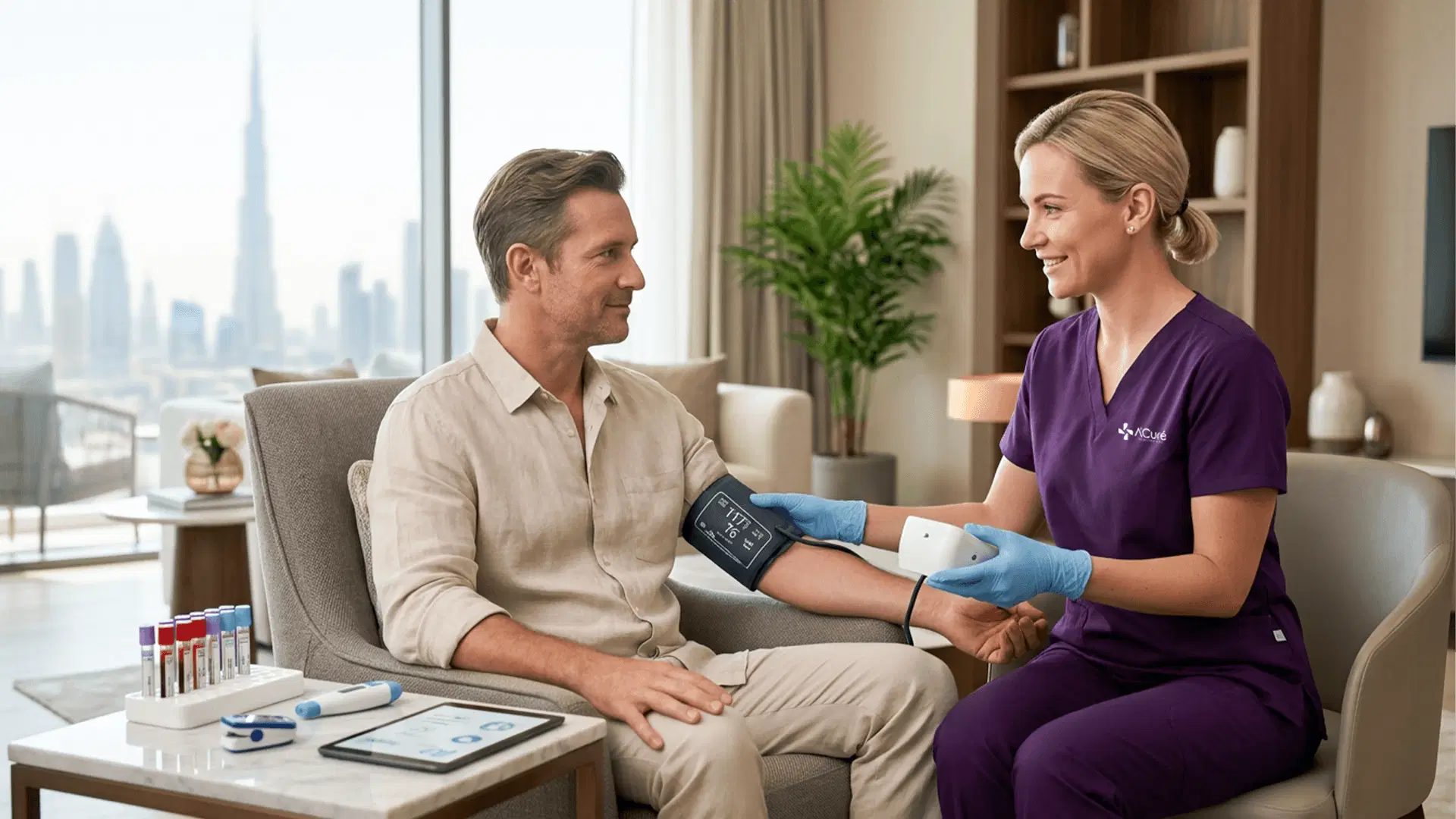
Full-body health checks are everywhere. Clinics, labs, and employers promote them as an easy way to “know your health,” and packages promising dozens of tests are now common. But what does a full-body health check actually include, and does everyone need one?
The short answer: a full-body checkup can catch hidden problems early, but the lab tests in it are most useful when they match your age, health history, and risk factors. Here is what to expect and how to decide.
What Is a Full-Body Health Check?
A full-body health check consists of a series of blood, urine, and basic physical tests to provide an overall assessment of the function of your body’s major organs and systems. It is a preventive screening test, performed not only when you are ill, but when you are feeling well.
Diabetes, high cholesterol, thyroid disorders, and early kidney and liver issues are examples of many conditions that have low or nonexistent symptoms in early stages. They can be detected before they are serious by regular screening.
What a Full-Body Checkup Usually Includes
Packages vary between labs, but most include these core lab tests:
| Test | What it checks |
|---|---|
| Complete blood count (CBC) | Red cells, white cells, and platelets; can reveal anaemia, infection, or blood disorders |
| Blood sugar (fasting glucose and HbA1c) | Current blood sugar and the three-month average; screens for diabetes and prediabetes |
| Lipid profile | Total cholesterol, LDL, HDL, and triglycerides; key markers of heart health |
| Liver function test (LFT) | Liver enzymes, proteins, and bilirubin; signs of liver stress or disease |
| Kidney function test (KFT) | Creatinine, urea, and uric acid; how well the kidneys filter waste |
| Thyroid profile (T3, T4, TSH) | Underactive or overactive thyroid, which affects energy, weight, and mood |
| Vitamin D and vitamin B12 | Common deficiencies linked to fatigue, bone health, and nerve function |
| Urine routine test | Signs of infection, kidney problems, or high sugar |
Most packages include physical reading of blood pressure, weight, BMI, and sometimes an ECG. Doctors may suggest additional testing, such as a PSA test for men; cervical screening for women; iron tests and an HIV/STD test for those who may require it.
Do You Actually Need One?
Not everyone’s outfit should be the largest on the menu. The most beneficial type of checkup is a full-body checkup if you:
- Are over 30 to 35 and have not had routine blood tests recently
- Have a family history of diabetes, heart disease, thyroid disorders, or kidney disease
- Are overweight, smoke, drink regularly, or lead a mostly sedentary life
- Have high stress, poor sleep, or ongoing fatigue without a clear cause
- Already manage a chronic condition and need regular monitoring
If you’re a healthy young adult without risk factors, a simple set of tests may be sufficient. Adults should have a test every 1 to 2 years, and yearly after 40 years of age or if there are risk factors. Your doctor can adjust the frequency and tests for you.
More tests are not always better. Unnecessary lab tests can lead to borderline results, extra worry, and follow-up tests you did not need. The best package is the one chosen with your doctor’s advice. If getting to a clinic is difficult, a doctor at home can review your history in person and recommend only the tests you need.
How to Prepare for Your Health Check
- Fasting: blood sugar and lipid profile tests usually need 8 to 12 hours of fasting. Water is generally allowed.
- Medicines: tell the lab about any medicines or supplements; do not stop prescribed medicines unless your doctor advises it.
- Timing: book an early-morning slot so fasting is easier.
- Avoid alcohol and heavy exercise the day before, as they can affect some results.
Most of these tests can be performed at home, and we do not require you to come into the clinic for the majority of them. A trained phlebotomist takes the blood and urine samples at your home with a lab test, and your report is sent digitally to an accredited lab. For seniors, individuals with high workloads, and families taking tests at the same time, home sample collection is particularly advantageous.
Final Thoughts
A full-body health check is not a quest for numbers. It’s about catching the issues before they happen and getting them taken care of early. Select the appropriate tests for your age and risk factors, and be sure to discuss your test results with a healthcare provider, rather than reading them yourself, and rescreen at reasonable times.
Collecting samples at home with a test and getting a doctor’s explanation at home is easier than ever to stay on top of your health. Symptoms are not the first sign of a problem, and the proper laboratory testing allows you to detect them in time.
Explore Also: Aster Clinic Al Nahda Dubai: Healthcare Services for Everyday Medical Needs