








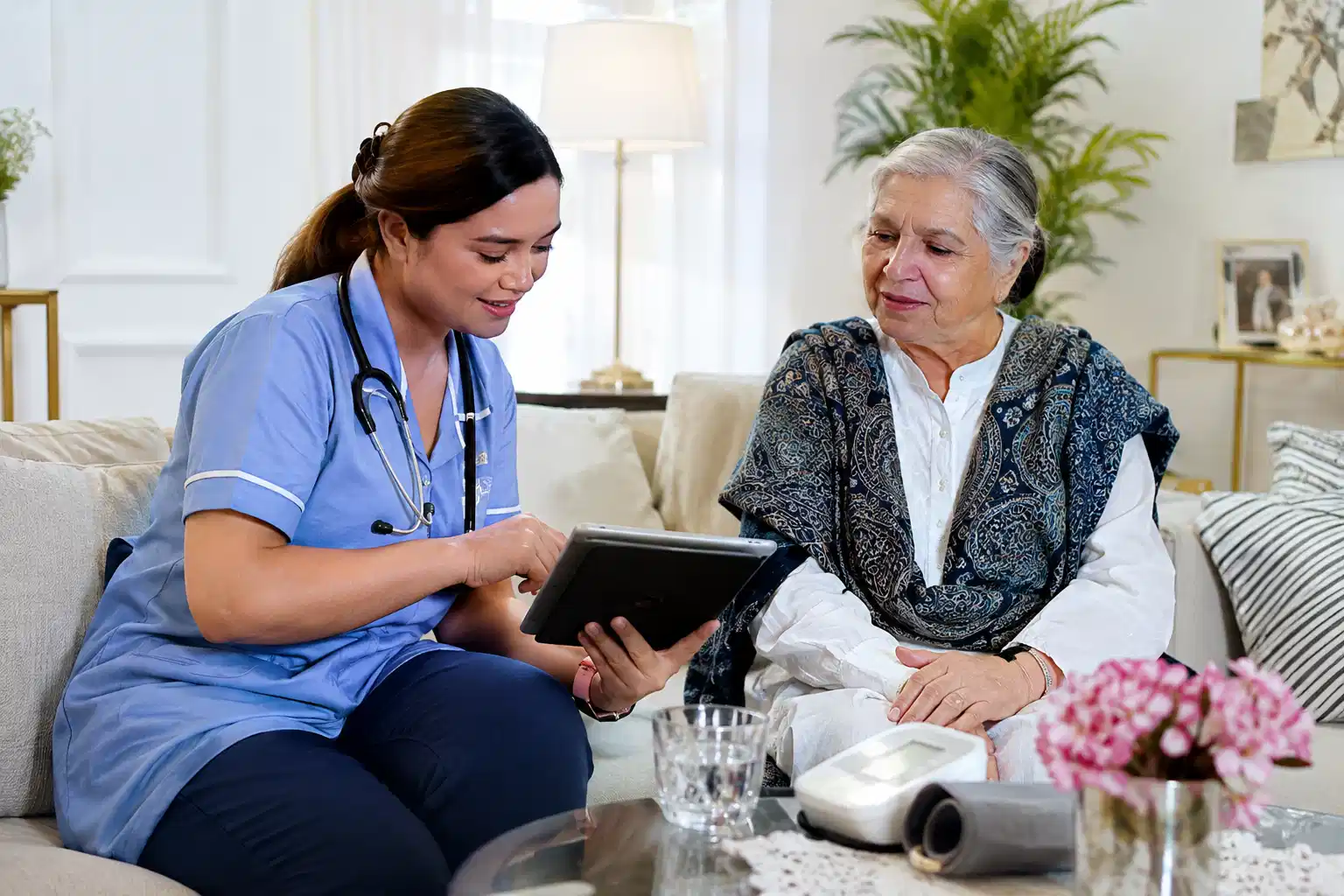
Many families in Dubai turn to a professional home nursing service when a relative needs skilled care throughout the day. This often follows a serious diagnosis, a long hospital stay, or a point where an elderly or unwell family member can no longer manage alone. Once a nurse is arranged, families face a new set of practical questions.
What will the nurse rest on? What will the daily schedule be like at home? What is the family to do and what is the family not to do? Patients will be more comfortable and family members will be more at ease, if these details are correct, especially in the first few weeks.
This guide details how to ensure that your home is ready for your new arrival, what to anticipate in the first week and how to establish a friendly working relationship with your nurse.
Preparing Your Home Before the Nurse Arrives
With a little preparation, the nurse can feel at home and begin to provide care from day one.
For the patient’s room:
- Place the bed so the nurse can reach both sides, ideally a hospital-style bed if the patient has limited mobility.
- Set up a small table or trolley for medicines, dressings and monitoring equipment.
- Make sure there is good lighting, a nearby power socket and easy access to a bathroom.
- Remove rugs, cables and clutter to reduce the risk of falls.
For the nurse:
- If the nurse lives in, prepare a private room with a bed, storage and air conditioning.
- Provide a place to keep personal belongings and take breaks away from the patient’s room.
- Share the Wi-Fi password, building access details and parking arrangements.
Paperwork to have ready:
- Hospital discharge summary and recent medical reports
- A full list of medicines and the prescriptions
- Contact details for the patient’s doctors and specialists
- Insurance details, if relevant
The First Week: Handover, Routines and Communication
The first week sets the tone for the whole arrangement. A new nurse will usually spend the first few days learning about the patient, the household and the care plan.
| Day | Focus |
|---|---|
| Day 1 | Introductions, a tour of the home, review of the care plan, medicines and medical history |
| Days 2–3 | Nurse establishes the daily routine: medicines, meals, hygiene, mobility and rest |
| Days 4–5 | Family and nurse agree on how updates will be shared, such as a daily log or a messaging group |
| Days 6–7 | First review with the family and the provider to adjust anything that is not working |
This is when it helps to designate one member of the family as the primary contact. This avoids the nurse receiving conflicting instructions from different relatives.
Come to a shared understanding with the nurse of what he/she will be responsible for. A full-time nurse cares for the patient’s clinical needs and personal care, including medicines, wound care, monitoring and hygiene. Typically, they are not expected to do general housekeeping, cook for the family, or care for the children unless this has been agreed with the provider beforehand.
Living Together: Boundaries, Rest Days and Relief Cover
A full-time nurse at home becomes part of daily family life, but they are still a healthcare professional. Clear and respectful boundaries help everyone feel comfortable.
- Working hours: agree on shift times, especially for live-in nurses and how night-time needs will be handled.
- Rest days and breaks: nurses need regular breaks and days off to stay alert and give safe care.
- Relief cover: ask your provider how they cover rest days, annual leave and sickness. A reliable provider should send a trained replacement who has been briefed on the care plan.
- Privacy: respect the nurse’s personal space and agree how the nurse will respect the family’s privacy too.
- Meals: agree in advance whether meals are provided for a live-in nurse.
- Feedback: raise concerns calmly and early, ideally through the provider’s care coordinator.
A licensed provider, in addition to providing the work, will also provide the nurse’s licence, training/supervision. The provider will be able to arrange a different arrangement if the arrangement is not suitable for the patient.
Signs the Arrangement Is Working Well
After the first month, families can look for these signs:
- The patient is comfortable with the nurse and follows their routine willingly.
- Medicines are given on time and records are clear and up to date.
- Health readings are stable or improving and the doctor is kept informed.
- Family members feel less stressed and have more time for work and rest.
- Problems are raised and solved early, before they become serious.
If there are multiple absences, request a review with the provider. Changes in routine, shift pattern, or nurse may make a big difference.
Conclusion
Preparing the home, clearly defining roles from the start and maintaining communication make having a full-time nurse in the home easier. With proper home nursing services like The Nurse Company in Dubai, families get skilled care for their loved one and the assurance that a professional is available to provide support at all hours.
Explore Also: Karama Medical Fitness Center Dubai: Timings, Fees and Visa Medical Test
Frequently Asked Questions
What is the difference between a full-time nurse and a live-in nurse?
A full-time nurse will typically work a regular shift (e.g., an 8-hour or 12-hour day). A live-in nurse is present within the home with the ability to be present during longer periods, with agreed rest periods. It is common for some families to run two shifts to cover for 24 hours.
Can a full-time nurse accompany the patient to hospital appointments?
In many cases, yes. Check this with the provider at the time of establishing the care plan.
How long can a family keep a full-time nurse?
While the patient requires care. For a few weeks after surgery, some families will require a nurse, or for months or years they will continue to have such a nurse.
Is a full-time nurse licensed in the UAE?
The nurses who work for a licensed home nursing service are required to have a licence issued by the health authority of their emirate; in Dubai’s case, the DHA.