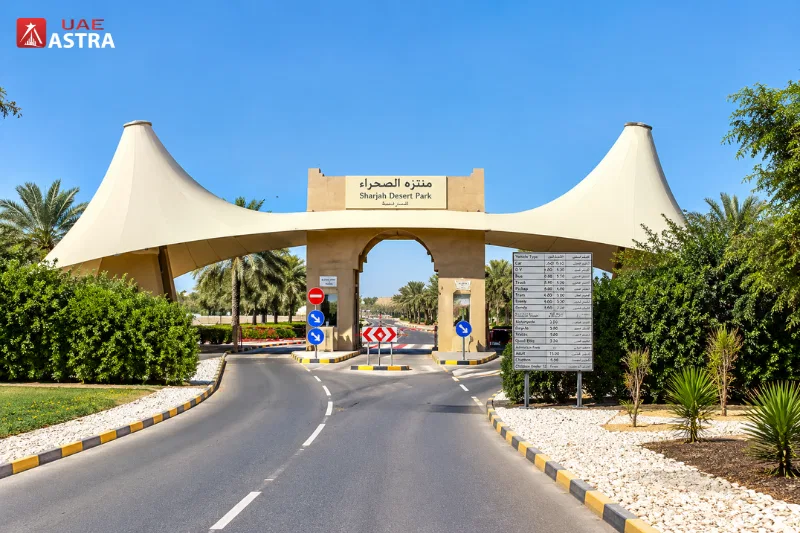



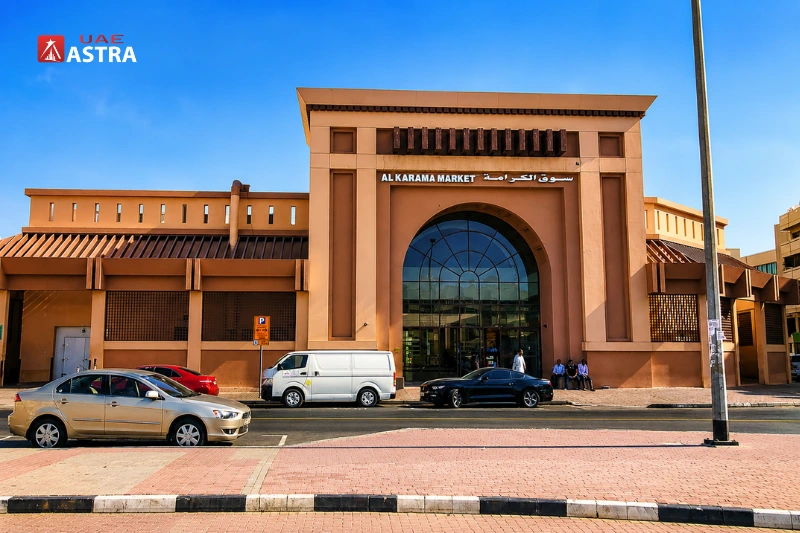

Sharjah Desert Park is a wildlife and educational complex located on Al Dhaid Road (E88), around 30 km east of Sharjah city. Established in 1995, it brings together Arabian wildlife exhibits, a natural history museum, botanical gardens and a children’s farm. The park focuses on wildlife conservation, environmental education and the natural heritage of the Arabian Peninsula.
They are Arabia’s Wildlife Centre, the Islamic Botanical Garden, the Natural History and Botanical Museum and the Children’s Farm. They can see the regional wildlife, study desert flora, view natural history exhibits and have children meet farmyard animals. The adult entry is indicated by AED 15 and children under 12 get free entry. Check the current ticket prices and operating times prior to the trip – the published information may be subject to change.
Sharjah Desert Park Location
At Interchange 9, 30 km east of central Sharjah, along Al Dhaid Road (E88), is located Sharjah Desert Park. The complex is located away from the centre, so people should think about getting to the park entrance and not to any of the attractions within the park.
It can be reached by road from Sharjah and the surrounding areas. Visitors wanting to reach the entrance directly can easily drive or use a taxi. People are advised to take advantage of public transportation; if no bus stops near the park, they need to check the latest routes and make arrangements for their next bus trip.
Location details:
- Emirate: Sharjah, United Arab Emirates
- Road: Al Dhaid Road (E88)
- Access point: Interchange 9
- Distance: Approximately 30 km east of Sharjah city
- Contact number: +971 6 531 1411, listed by the relevant authority for park enquiries
Sharjah Desert Park Timings
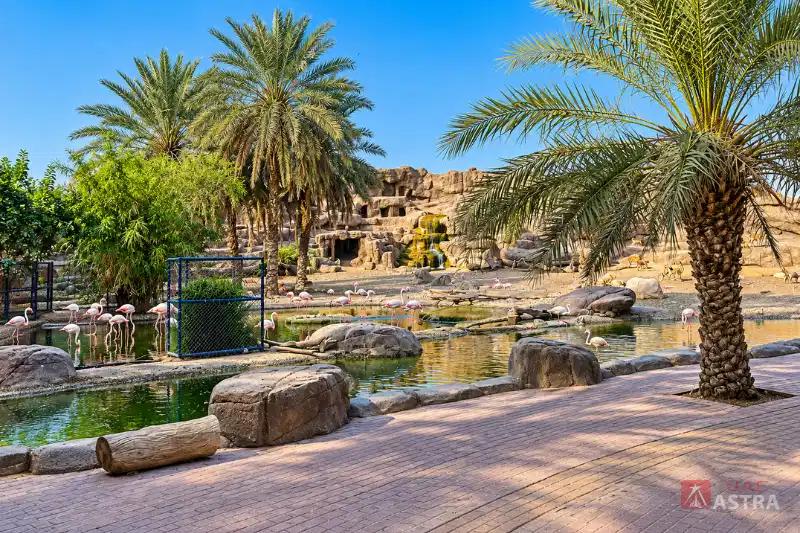
On Fridays and Saturdays, Sharjah Desert park runs at different times than on the rest of the weekdays. The published government tourism information states that Tuesday will be a closed day for the week.
| Day | Published timings |
|---|---|
| Sunday | 9:00 am–5:30 pm |
| Monday | 9:00 am–5:30 pm |
| Tuesday | Closed |
| Wednesday | 9:00 am–5:30 pm |
| Thursday | 9:00 am–5:30 pm |
| Friday | 2:00 pm–5:30 pm |
| Saturday | 11:00 am–5:30 pm |
The times are those from published tourist information and are subject to prior confirmation before visiting. Access may be impacted by public holidays, seasonal adjustments and alterations to individual facilities. Friday will have a shorter opening window, so those who are looking to visit multiple attractions should make the time to keep in mind that the attraction will be open later.
Sharjah Desert Park Ticket Prices
The government tourism information states that the admission fee for adults is AED 15. There are at least two published lists, one of which states that children under 12 enter free and another states that children over 12 pay AED 5 to enter. The age categories and prices are not necessarily the same from year to year for older listings, so call ahead to verify the current age and price.
| Visitor category | Published admission |
|---|---|
| Adults | AED 15 |
| Children over 12 | AED 5 in one published listing |
| Children under 12 | Free in published information |
The park has several attractions enclosed within a complex, such as its wildlife centre, museum, farm and botanical displays. At the entrance, check what facilities are included in the current admission ticket and whether any special activities are available; if they require a separate admission ticket, ask for it. If you’re on a budget for your family trip, don’t use an old price.
Main Attractions at Sharjah Desert Park
There are exhibits in the park linked to the various aspects of Arabian wildlife, natural history and plants. Some highlight wild animals; others take visitors on fossil and geological hikes, showcase indigenous flora and plant-animal interactions and connections to local culture.
Arabia’s Wildlife Centre
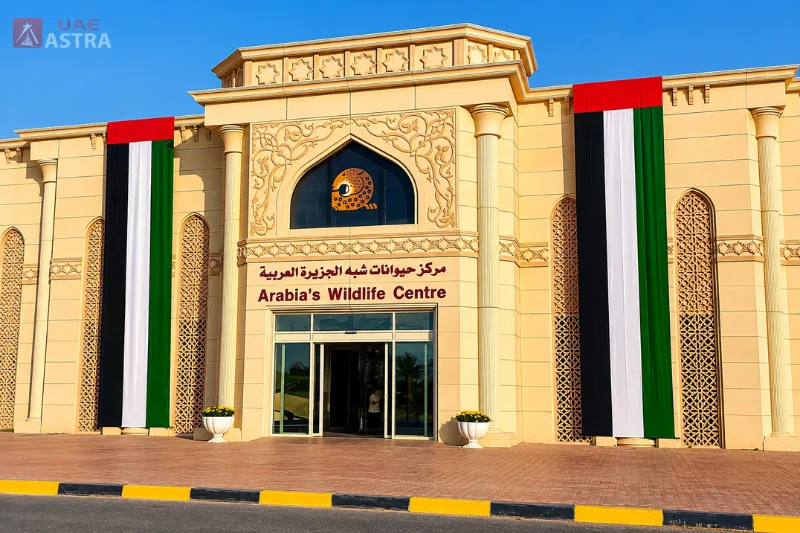
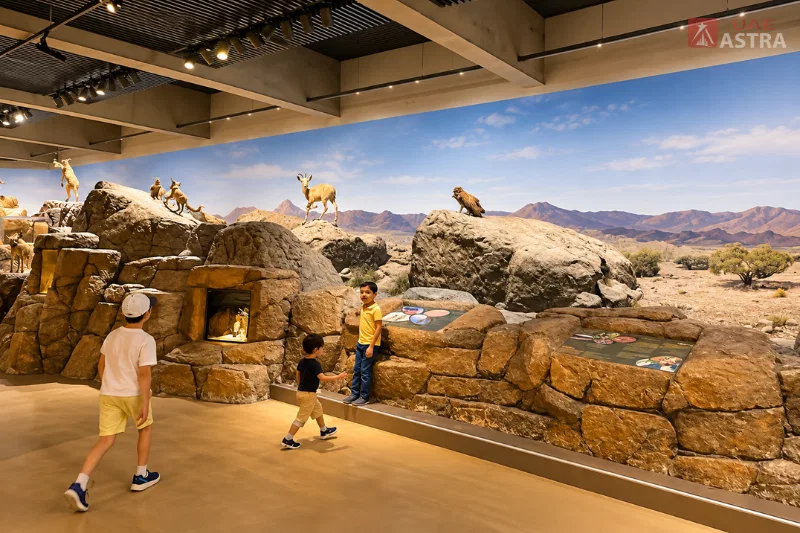
For animal enthusiasts, Arabia’s Wildlife Centre is a top spot to visit. It houses the Arabian oryx, leopard, gazelle, fox, wolf, birds, reptiles and other mammals of the region. Visitors can enjoy wildlife viewing in areas suitable for indoor viewing and in landscaped enclosures, where they can learn more about the wildlife and its habitats.
The centre also has special areas for reptiles, insects, birds and nocturnal animals. There are educational exhibits that describe the species being exhibited and emphasize the need for conserving endangered wildlife due to habitat destruction and other factors. It’s especially applicable for visitors looking to learn about animals from the region and not just familiar animals from all around the world.
Natural History and Botanical Museum
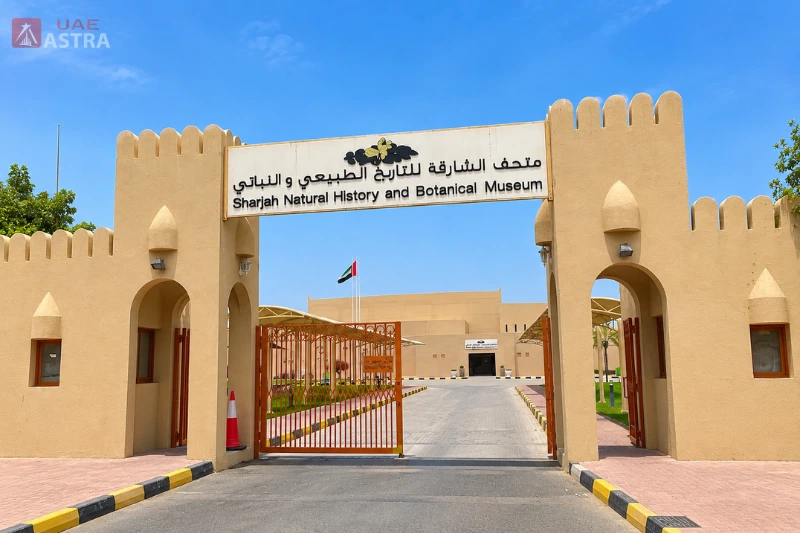
The Natural History and Botanical Museum showcases the geological history of Sharjah and the evolution of plant and animal life. Its exhibits include natural processes, fossils, rocks, meteorites and other items that illustrate the evolution of the region’s landscape and ecosystems.
The museum includes an educational component to the exhibits on wild animals. It does not just describe living organisms but also the broader natural world in which they have developed. This makes it applicable to school groups, geology enthusiasts, biodiversity enthusiasts and Arabian Peninsula history lovers.
Children’s Farm
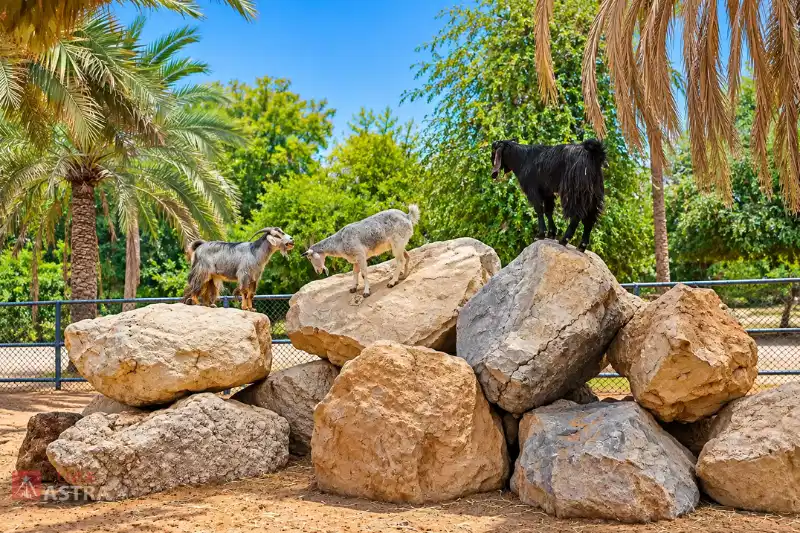
The Children’s Farm teaches younger visitors about domestic animals and birds which are typically linked to the area. Camels, Arabian horses, ponies, goats, sheep, cows and ducks are all animals that have been described in print. Children have the chance in the setting to see farm animals close up and find out what they are, their personalities, etc.
The farm is not like Arabia’s Wildlife Centre, which focuses on conserving wildlife exhibits, but it is more like a farm where domesticated animals and supervised interaction with animals are the focus. Past activities such as feeding, animal rides and educational activities have been promoted, but they should be confirmed on the date of visit.
Islamic Botanical Garden
Islamic Botanical Garden is a display of plants that are mentioned in the Holy Quran and Hadith/Sunnah. It features fruit trees, shrubs, herbs and other plants associated with Islamic traditions. Interpretive displays make sense of them and open doors to the connection between plants and cultural heritage and environmental awareness.
The garden is a different experience from the wildlife centre and museum. Visitors can get to know the uses and significance of selected plants, while at the same time exploring a landscaped setting. It is particularly relevant to those interested in the knowledge of plants and their human and cultural relationships.
Botanical Garden and Native Plants
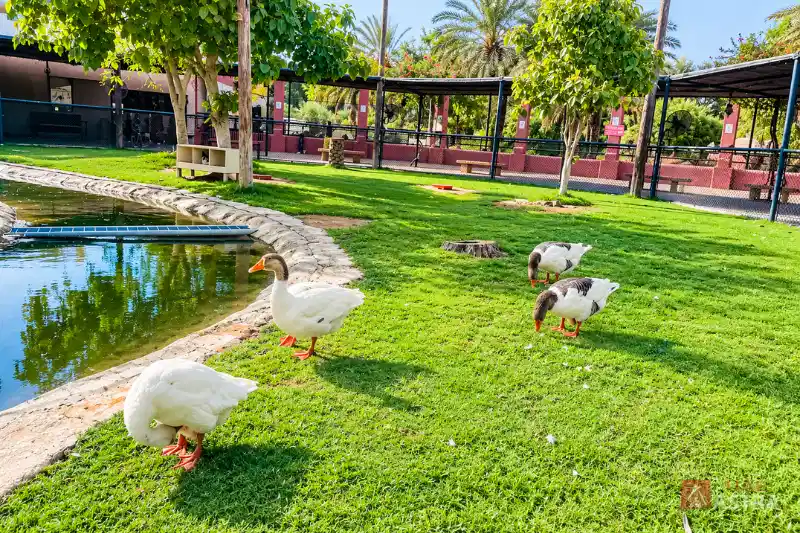
The botanical collections are designed to give visitors an introduction to the plants of Sharjah’s diverse landscape. The displays clarify how vegetation varies from one environment to another and how plants are adapted to growing in water-limited environments with high temperatures influencing growth.
About 91 local plant species have been mentioned within the associated plant collections of the Natural History and Botanical Museum. These collections are a good introduction to the plant life and function of desert ecosystems. If the visit is primarily for a plant collection, the display and collection methods should be checked with the park.
Arabian Wildlife and Conservation
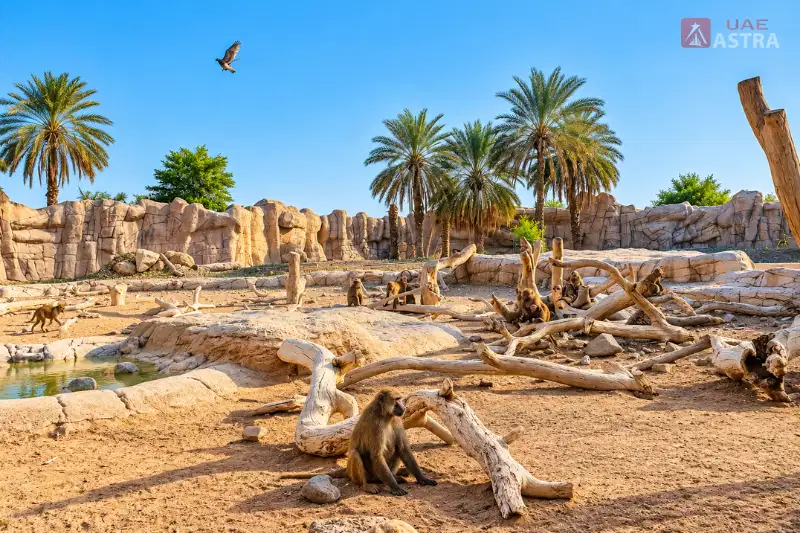
Sharjah Desert Park is committed to the preservation of wildlife. The animals featured in the Arabian Peninsula are presented by Arabia’s Wildlife Centre, which includes species that have become rare or threatened. Its exhibitions explain to visitors the biodiversity of the region and the importance of preserving natural habitats.
The Breeding Centre for Endangered Arabian Wildlife is an independent section of the complex. It helps to support conservation and breeding programmes for threatened species such as the Arabian leopard. Visitors should not make their trip to the centre depend on entry to the breeding centre. Wildlife viewing is available at Arabia’s Wildlife Centre.
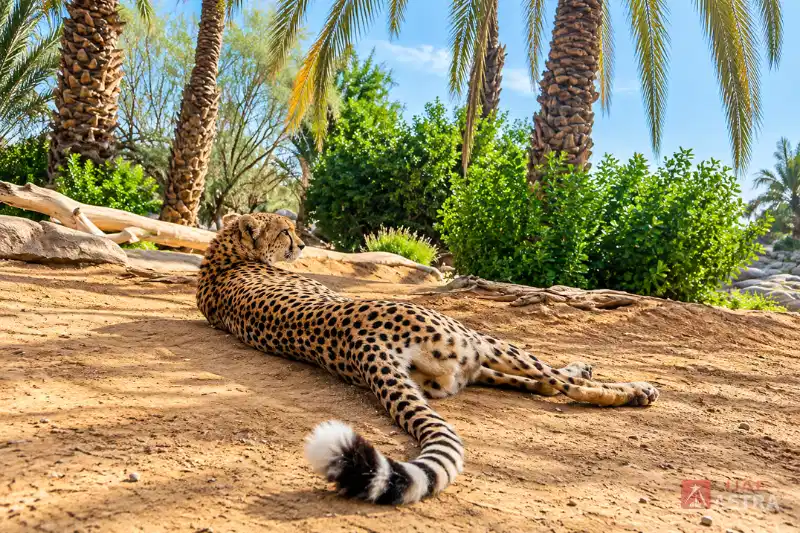
The difference is important because the two centres are used for different things. The breeding centre is set up for conservation efforts, whereas Arabia’s Wildlife Centre offers animal exhibits and educational displays to its visitors. Visitors will not have access to breeding facilities if they visit the public centre.
Family Visits and Educational Activities
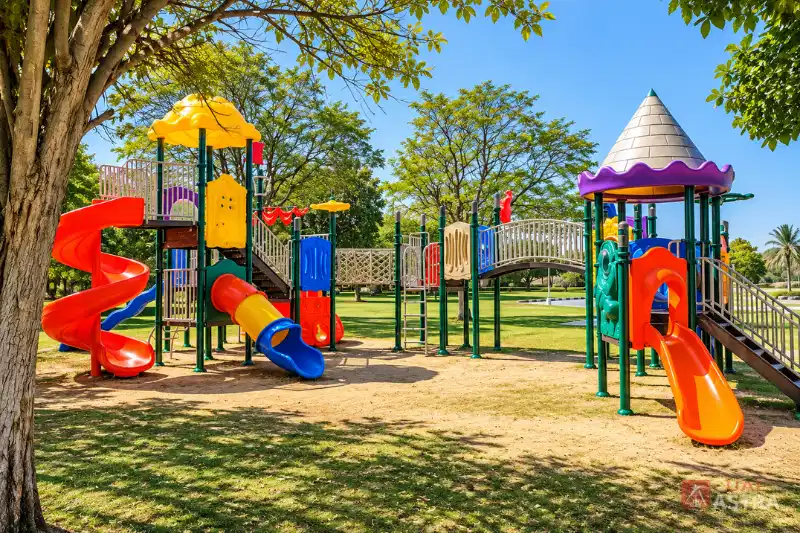
For families who are looking for an experience that includes learning and observing animals, Sharjah Desert Park is the ideal choice. At Arabia’s Wildlife Centre, children can see animals; at the Children’s Farm, they can explore the farm; and at the Natural History and Botanical Museum, children can explore exhibits. For the children who are interested in plants and nature, the botanical gardens are an additional attraction.
The park is also educational for school-age visitors. Wildlife exhibits and displays introduce wildlife species and habitats and the Museum explains geological history and biodiversity. The farm enables children to identify domestic animals and to realise the difference between domestic and wild animals. Families should check whether any organised talks, workshops or supervised animal activities are available prior to planning around these events.
How to Reach Sharjah Desert Park
The park is situated at Al Dhaid Road (E88) at Interchange (IC) 9, East of Sharjah city. Car users are requested to take the route up towards Al Dhaid and to the designated interchange. Consider time from central Sharjah when determining the time of departure, particularly if you wish to visit multiple facilities before closing.
Alternatively, taxi service can be used to get to the entry directly. The public transport options should be checked prior to departure, as a service that operates in a wider area does not necessarily have a direct call at the park. Ensure the closest possible stop and the onward travel is confirmed, not assumed, especially if the journey is to be walked.
Visitor Facilities
According to published information, Sharjah Desert Park has parking and cafes. The complex also features air-conditioned, indoor display spaces, where people can look at the animals through glass. These indoor areas offer a different experience from the outdoor areas and give visitors an alternative to spending the whole visit outdoors.
The facilities and services available on a particular day can vary. Where special access is required, visitors are advised to check access at the appropriate attraction sites as facilities are not guaranteed to be the same. This also covers food outlets, children’s activities and any special food programmes promoted for school holidays or weekends.
Best Time to Visit Sharjah Desert Park
Generally, the best time to visit Sharjah’s outdoor attractions is during the cooler seasons of the year, especially from October to April. This applies to the Children’s Farm and botanical areas, where visitors could walk around for some time between exhibits. Animals are also seen and museum collections explored indoors in the park.
The day of the week is significant as well as the season. There is a weekly closure day on Tuesday and Friday opening starts in the afternoon. Those who wish to visit multiple sites should plan on visiting on a day when the opening times for the various sites overlap and check the dates before travelling.
Sharjah Desert Park vs Sharjah Safari
There are two wildlife attractions in Sharjah: Sharjah Desert Park and Sharjah Safari. Sharjah Desert Park showcases Arabian animals, a natural history museum, botanical gardens, in addition to a farm for children. Focusing on the local wildlife, natural history and environmental education.
Sharjah Safari is a unique attraction based on a safari experience. It is the visitor’s responsibility to choose the destination that best suits their desired experience and to verify the address before travelling. The two names may refer to two separate attractions, so the search result can also result in an unwanted trip.
Important Details Before Visiting
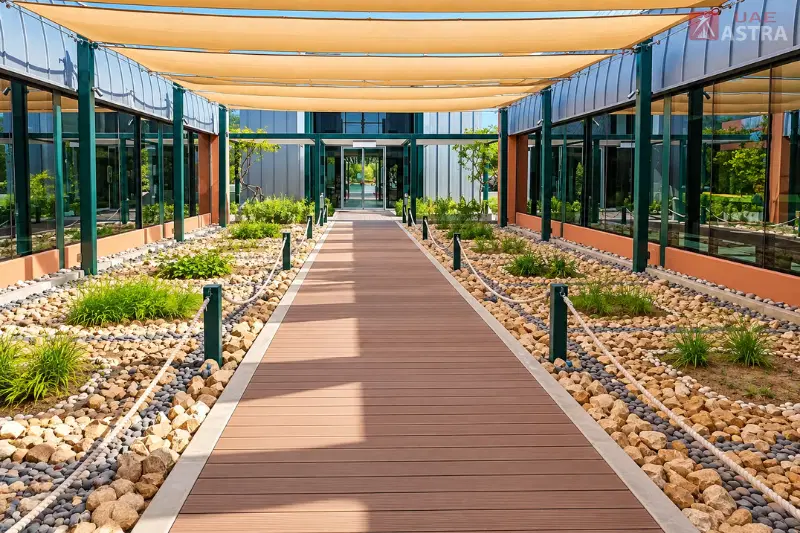
With a little preparation, visitors can get more value from their time at Sharjah Desert Park. The most important information is the price of admission, the schedule for that day and what is offered.
- Check the ticket price: Published rates may differ from current charges, particularly for children.
- Confirm opening hours: Tuesday is listed as the closure day and Friday has a shorter schedule.
- Choose the main attractions: Prioritise the wildlife centre, museum, farm or botanical garden according to your interests.
- Check special activities: Feeding sessions, workshops and children’s programmes should be confirmed in advance.
- Plan transport: The park is around 30 km east of central Sharjah, so check the route and return arrangements before leaving.
- Contact the authority: The published enquiry number is +971 6 531 1411; confirm that it is suitable for your specific question.
Conclusion
Sharjah Desert Park offers a conservation and education park, home to Arabian wildlife, natural history, native flora and fauna and domestic animals in a single location. For wildlife lovers, the attraction of Arabia’s Wildlife Centre stands out amongst the other experiences that families and learners can enjoy in the museum, Children’s Farm and the Islamic Botanical Garden.
Check the current ticket prices and opening times before traveling, especially if you’re traveling with children or will be visiting multiple attractions. As the park is situated out of town, it is advisable to make travel arrangements beforehand.
You may also like to visit: Al Qudra Lake: Location, Things to Do, Wildlife and Visitor Tips
Jubail Mangrove Park: Activities, Tickets, Location & Visitor Information
Khalifa Park Abu Dhabi: Timings, Tickets, Attractions & Visitor Guide
FAQs
Where is Sharjah Desert Park?
Al Dhaid Road (E88) is the route to Sharjah Desert Park, which is located at Interchange 9, approximately 30 kms from Sharjah city.
What are Sharjah Desert Park’s opening hours?
Published timings are 9:00 am–5:30 pm on most weekdays, 2:00 pm–5:30 pm on Friday and 11:00 am–5:30 pm on Saturday. Tuesday is scheduled for a closed day.
How much is the entry ticket?
Publishers say they charge AED 15 for adults. Child prices vary from listing to listing, so check the up-to-date rates before you visit.
Are children under 12 allowed free entry?
Yes, admission information in the publications states that admission is free for children under 12. Check the current ticket policy prior to your visit.
Which animals are at Arabia’s Wildlife Centre?
The centre has an Arabian oryx, Arabian leopard, gazelles, foxes, wolves, birds and reptiles.
Is the breeding centre open to visitors?
No. The Breeding Centre for Endangered Arabian Wildlife is a conservation area and is closed to the public.
Is Sharjah Desert Park suitable for families?
Yes. The wildlife centre, Children’s Farm, museum and botanical gardens provide educational activities for children and adults.
Is Sharjah Desert Park the same as Sharjah Safari?
No. Sharjah Desert Park is focused on the Arabian wildlife, natural history and botanical attractions and Sharjah Safari is a separate safari kind of trip.